Companies love to talk about corporate culture in mission statements and onboarding decks, but the real test happens in the small daily moments nobody writes down — how a manager reacts to a mistake, whether feedback actually goes both ways.
Culture Is What Happens When No One’s Watching
In short: corporate culture shapes employee retention far more through everyday behavior — how disagreements are handled, how effort is recognized — than through any formal values statement posted on a wall.
Why Employees Actually Leave
Exit interviews rarely capture the full truth, but patterns show up anyway. People don’t usually leave because of pay alone — they leave because they feel unseen, stuck, or quietly disrespected over time.
Signs of a Retention-Damaging Culture
- Feedback flows only downward, never upward from employees to leadership
- High performers get more work instead of more recognition
- Mistakes get punished publicly instead of addressed constructively
- Promotions feel arbitrary rather than tied to clear criteria
How Strong Corporate Culture Shows Up Day to Day
I’ve noticed the companies with genuinely strong corporate culture aren’t the ones with the fanciest office perks — they’re the ones where employees feel comfortable disagreeing with a manager without fear of quiet retaliation later.
The Cost of Ignoring Culture
Replacing an employee typically costs far more than most leadership teams estimate — recruiting time, training, lost institutional knowledge. Weak corporate culture quietly drives this cost up, month after month, often without leadership connecting the dots.
A Real Example Worth Considering
Picture a mid-sized retail company in Jaipur that saw unusually high turnover among its store managers specifically, not other roles. After actually asking departing managers directly, the pattern became clear — they felt blamed for problems caused by decisions made without their input at all.
[link to related guide about conducting honest exit interviews here]
Building Culture Intentionally, Not by Accident
Corporate culture forms whether leadership actively shapes it or not — the only choice is whether it forms intentionally or by default, often around whoever shouts loudest or stays latest.
Small Changes That Genuinely Help Retention
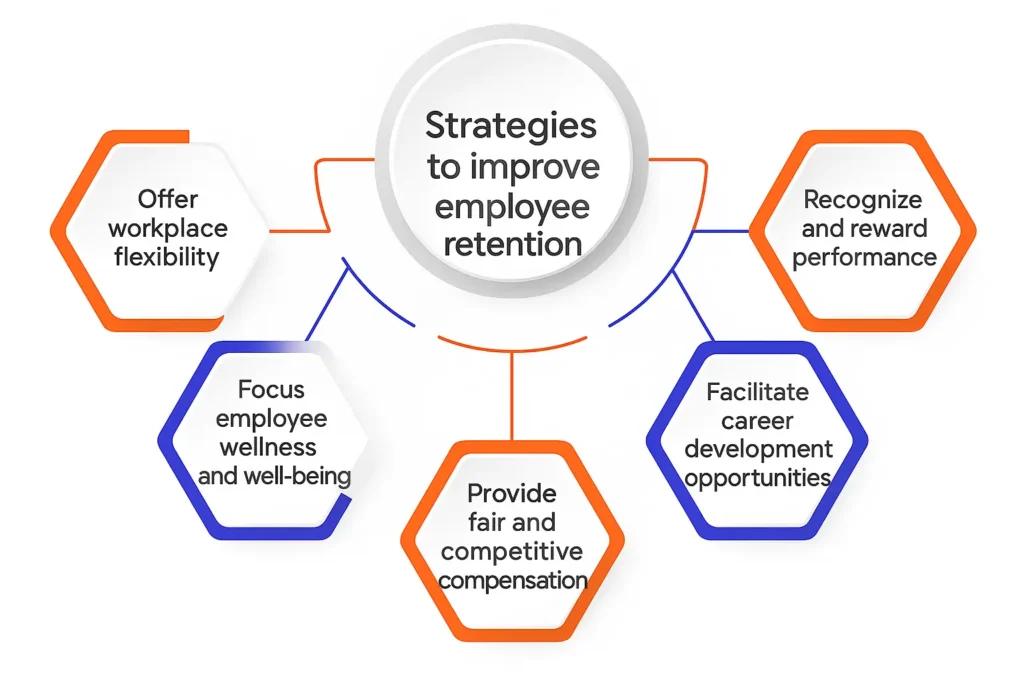
Regular, honest one-on-ones, visible recognition for good work, and transparent promotion criteria consistently show up as retention boosters, far more reliably than one-time bonuses or team outings.
[Suggested image alt text: “team discussion reflecting positive corporate culture at work”]
FAQ
Does corporate culture matter more than salary for retention? Both matter, but culture often determines whether an employee stays even when a competitor offers slightly more money.
How can a small company improve its corporate culture? Start with consistent, honest feedback loops and transparent decision-making, even without big budgets.
Can corporate culture be fixed after it’s already gone bad? Yes, though it takes consistent, visible change over months, not a single announcement or memo.
What role does leadership play in corporate culture? A significant one — culture tends to mirror leadership behavior far more than any written policy.
Is remote work bad for corporate culture and retention? Not inherently — culture depends more on communication and recognition habits than on physical location.
Conclusion
Corporate culture isn’t a slide in the onboarding deck — it’s the accumulated pattern of how people are actually treated day to day. Companies serious about retention need to look past perks and pay, toward the harder, quieter work of building trust, fairness, and honest feedback into daily operations.