Say “corporate governance” to most people and their eyes glaze over — it sounds like something for giant listed companies with boards full of retired executives. But the core ideas behind it apply a lot sooner than founders usually expect.
What Corporate Governance Actually Means
Strip away the jargon, and corporate governance is really just the system of rules and relationships that decide who makes decisions in a company, and how those decisions get checked.
Quick answer: corporate governance is the framework of policies, roles, and accountability structures that ensures a company is run responsibly, protecting the interests of owners, employees, and other stakeholders alike.
Why It Matters Even for Small Companies
I’ve noticed founders assume governance is only relevant once they go public or raise a large round. In reality, weak governance habits formed early — no clear decision boundaries, no financial oversight — tend to get baked into company culture and are painful to fix later.
Core Pillars of Corporate Governance
- Clear separation of ownership and management decisions
- Accountability structures, even informal ones in smaller companies
- Transparent financial reporting, internally and to any outside stakeholders
- Defined roles to avoid decision-making bottlenecks or conflicts
The Board’s Real Role
For companies that do have a board, its job isn’t to run daily operations — it’s to ask hard questions and provide oversight. A board that simply rubber-stamps every founder decision isn’t practicing real corporate governance; it’s just decoration.
How Poor Governance Shows Up in Practice
Picture a mid-sized manufacturing company in Jaipur where one family member controlled hiring, finances, and vendor contracts entirely alone, with no one else reviewing decisions. When a major vendor dispute arose, there was no documented process to fall back on — just one person’s memory of what was agreed months earlier.
[link to related guide about setting up financial oversight in a small company here]
Corporate Governance and Investor Trust
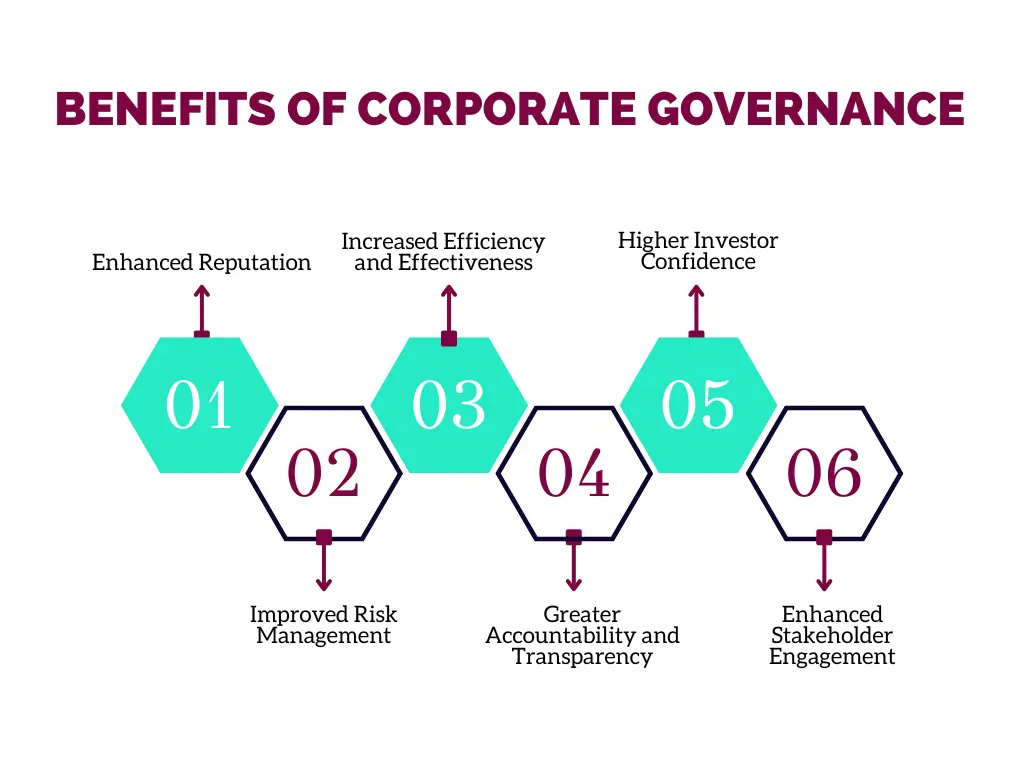
Investors, even at early stages, look closely at how decisions get made inside a company. Strong corporate governance signals that the business can survive beyond the founder’s personal involvement — a detail that matters more than most founders realize during fundraising.
Building Basic Governance Practices Early
You don’t need a formal board to start practicing good governance. Documented decisions, separated financial approvals, and regular internal reviews are enough of a foundation for most growing companies.
[Suggested image alt text: “board meeting discussing corporate governance policies”]
FAQ
Is corporate governance only relevant for large companies? No — small and growing companies benefit from basic governance practices just as much, especially around financial oversight.
What’s the difference between management and corporate governance? Management runs daily operations; governance sets the rules and oversight that keep those decisions accountable.
Do startups need a board for good governance? Not necessarily a formal board, but some form of external accountability or advisory input helps significantly.
How does corporate governance affect fundraising? Investors often view strong governance as a sign of long-term stability, which can influence funding decisions.
What’s a simple first step toward better corporate governance? Start documenting major decisions and separating financial approval authority, even in a very small team.
Conclusion
Corporate governance isn’t just a compliance checkbox for large corporations — it’s the structure that lets a company function reliably beyond any single person’s memory or mood. Building even basic governance habits early saves significant pain later, especially as a company grows past the size where informal, verbal agreements are enough.