Water is one of those everyday essentials that rarely gets much attention until something changes. Maybe the kitchen faucet starts leaving white marks on the sink, the shower glass becomes harder to clean, or drinking water develops a taste that wasn’t there before. These little frustrations can seem harmless at first, but they often leave homeowners wondering whether their water needs a closer look.
Across Florida, water conditions can vary depending on the source, local geology, plumbing, and existing treatment processes. One home may struggle with hard water, while another may be more concerned about sediment or unpleasant odors. There’s no single solution that works for every property, which is why understanding the problem should always come before purchasing treatment equipment.
For families and businesses looking for better water, a thoughtful approach can make daily life easier without adding unnecessary expense or complicated maintenance.
Understanding Local Water Quality
Water quality isn’t determined by appearance alone. Clear water may still contain dissolved minerals or substances that affect taste, while visible particles can point toward sediment or plumbing concerns. The source matters, too. Public water supplies are treated and monitored under applicable regulations, whereas private well owners generally need to arrange appropriate testing themselves.
Hardness is a common concern for many property owners. Water containing higher levels of calcium and magnesium can leave mineral deposits on faucets, showerheads, dishes, and heating elements. Over time, these deposits may increase cleaning demands and affect certain appliances.
Other people notice chlorine-related taste or odor, especially when water is used for drinking and cooking. Suitable activated carbon filters can reduce chlorine and certain other substances, depending on the filter’s design and certification. Sediment filters, meanwhile, capture suspended particles but don’t necessarily remove dissolved contaminants.
The first step is to identify what’s actually present. Basic water testing can measure characteristics such as hardness and pH, while specific contaminant concerns may require laboratory analysis. Once the results are available, treatment options become easier to compare.
Water Treatment Needs in Hillsborough County
Properties in Hillsborough County range from established residential neighborhoods to busy commercial spaces, and their water needs aren’t all alike. A family may want to reduce mineral buildup around bathroom fixtures, while a restaurant might need consistent water quality for beverage preparation, dishwashing, and kitchen equipment.
A water softener may help when hardness is the main concern. Traditional softeners use ion exchange to reduce calcium and magnesium, helping limit the mineral deposits associated with hard water. However, softening isn’t the same as filtration, and it doesn’t remove every possible contaminant.
For drinking water, a carbon filter or reverse osmosis system may be worth considering, depending on the test results and the substances that need to be reduced. Reverse osmosis uses a semipermeable membrane to separate much of the dissolved material from water, but it requires proper installation and ongoing maintenance.
Homeowners should also consider practical details such as household size, daily water use, available installation space, and replacement filter costs. A system that’s suitable for a small home may not meet the demands of a larger property with several bathrooms.
The best recommendation is one that solves the identified problem without making the system more complicated than necessary.
Finding the Right Approach in Pasco County
In Pasco County, property owners may have different reasons for exploring water treatment. Some are tired of scrubbing scale from shower doors, while others want to improve drinking-water taste or protect equipment from sediment and mineral buildup. The right starting point depends on the property’s water source and the symptoms being experienced.
If hardness is the primary issue, testing can establish how much calcium and magnesium are present. That information helps determine whether a softener is appropriate and how it should be sized. Choosing equipment without knowing the hardness level can lead to poor performance or unnecessary spending.
Where taste or odor is the concern, a suitable filter may offer a simpler solution. However, unusual changes in water quality shouldn’t automatically be treated as a taste problem. If water suddenly becomes discolored, develops a strong unfamiliar odor, or shows other unexpected changes, investigate the cause before relying on a filter to mask the symptoms.
Well owners should pay particular attention to regular testing based on local guidance and the characteristics of their supply. Private wells aren’t covered by the same routine monitoring arrangements as public water systems, so responsibility for checking their quality rests with the owner.
When comparing service providers, ask for clear explanations of test results, equipment performance, maintenance requirements, and any ongoing costs. A trustworthy professional should be able to explain both the benefits and limitations of the recommended treatment.
Water Quality Considerations in Hernando County
For residents in Hernando County, water treatment decisions should begin with the same practical question: what problem needs to be solved? Local conditions and individual water sources can differ, so assumptions based solely on a property’s location aren’t enough to determine which system will work best.
A home experiencing recurring scale may benefit from a properly sized softener. A property concerned about sediment may need a suitable particulate filter, while certain dissolved contaminants may call for a different treatment technology altogether.
It’s also worth remembering that one system doesn’t necessarily handle every concern. A property might need sediment filtration before another treatment stage, for example, or additional treatment after a softener if the water analysis identifies a separate issue.
Maintenance should be part of the decision from the beginning. Filters have limited service lives, softeners need suitable salt supplies and regeneration settings, and reverse osmosis membranes require attention according to operating conditions and manufacturer guidance.
Before choosing a system, find out how often its components need replacement and whether the necessary supplies are readily available. Ask about service appointments as well, especially if the equipment supports a busy household or commercial operation. A system is only a good fit if it remains practical to maintain after installation.
Why Professional Testing and Installation Matter
Water treatment equipment can be useful, but choosing the wrong product may leave the original problem unresolved. A filter designed to improve taste won’t necessarily reduce hardness, and a conventional softener won’t reliably remove contaminants outside its intended purpose.
Professional assessment can help narrow the options. A qualified provider should ask about the water source, household or business demand, existing plumbing, and the symptoms you’ve noticed. Testing should then be selected to match those concerns rather than relying on a generic check for everything.
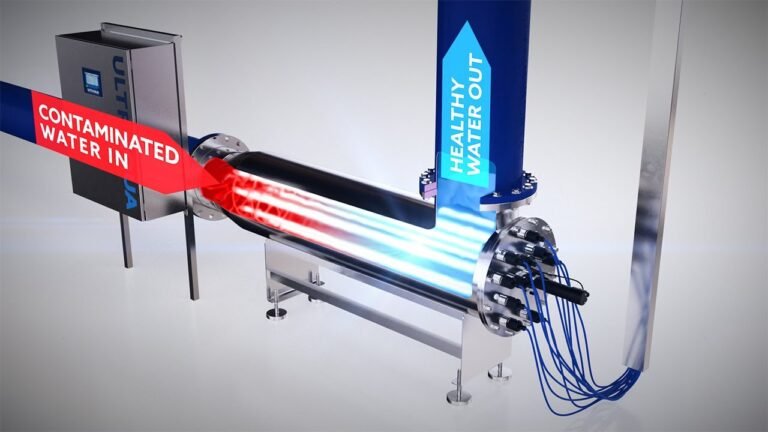
Installation matters just as much. Equipment must be sized correctly, connected appropriately, and configured according to the manufacturer’s instructions. Systems that use chemical dosing or specialized disinfection may require additional safeguards and monitoring.
After installation, keep a record of service visits, filter changes, and any relevant test results. If the water begins behaving differently, these records can help identify whether the issue involves maintenance, changing source conditions, or a separate plumbing problem.
Choosing Better Water With Confidence
Finding the right water treatment solution doesn’t need to feel overwhelming. Start by identifying the issue, arrange suitable testing, and compare systems based on what they actually do. Consider the full cost of ownership, including installation, replacement components, servicing, and water use.
For residents across Hillsborough, Pasco, and Hernando counties, the most useful solution is one that reflects the needs of the individual property rather than a one-size-fits-all recommendation. Ask questions, review the evidence, and make sure you understand what the equipment can and cannot achieve.
Water is part of daily life, and improving its quality should make that life simpler. With informed choices and sensible maintenance, homeowners and businesses can invest in water treatment that supports their routines and works reliably in the background, day after day.