Clean water is something most of us take for granted until we notice a change. Maybe there’s an unusual taste in your drinking water, a strange smell coming from the kitchen tap, or white mineral deposits building up around the showerhead. These small problems can become frustrating over time, especially when you’re unsure whether the issue is simply cosmetic or something that needs attention.
For homeowners in Florida, maintaining good water quality starts with understanding the water entering the home. Different properties have different needs, and the right treatment system depends on the source, the water’s composition, and the concerns that matter most to the household. Rather than choosing equipment based on advertising alone, it’s worth taking a closer look at the available options.
Understanding Your Household Water Quality
Water can contain naturally occurring minerals, disinfectants, sediment, and other substances that influence its taste, smell, and overall quality. Municipal water supplies undergo treatment, but some people still notice chlorine odors or mineral buildup. Private wells can present different challenges because groundwater conditions vary by location.
Hard water, for example, contains elevated levels of calcium and magnesium. These minerals can leave spots on glassware, create scale inside appliances, and make soap less effective. Other water quality concerns may not be visible at all, which is why testing can be so useful.
Before investing in a treatment system, consider arranging a professional water assessment or laboratory test. The results can help identify specific concerns and prevent you from paying for equipment that doesn’t address your actual needs. A clear understanding of the problem makes choosing a suitable solution much easier.
Improving Water Quality Through Carbon Filtration
Taste and odor often influence how people feel about their household water. Even when water appears clear, it may have a chlorine-like smell or an aftertaste that makes drinking it less enjoyable. These issues can also affect coffee, tea, cooking, and other everyday activities.
One option worth exploring is activated carbon water filtration. Activated carbon contains a network of tiny pores that adsorb certain substances as water passes through the filter. Depending on the system’s design and certification, it can reduce chlorine taste and odor and help remove selected organic compounds.
Carbon filtration is available in several forms. Some systems fit beneath the kitchen sink, while others attach to faucets or connect to refrigerators. Whole-house carbon filters treat water entering multiple fixtures, making them an option for households that want filtration beyond the kitchen.
It’s important to understand that carbon filtration doesn’t remove every possible contaminant. It generally isn’t designed to soften hard water or provide comprehensive protection against microorganisms. Filter performance depends on the specific product, so homeowners should review independent certifications and replace cartridges according to the manufacturer’s recommendations.
When Disinfection Deserves Attention
Water that looks clear isn’t necessarily free from harmful microorganisms. Bacteria and other microbes cannot always be detected through taste, smell, or appearance. This is an important consideration for homes using private wells, where regular testing helps homeowners understand whether their water supply remains suitable for household use.
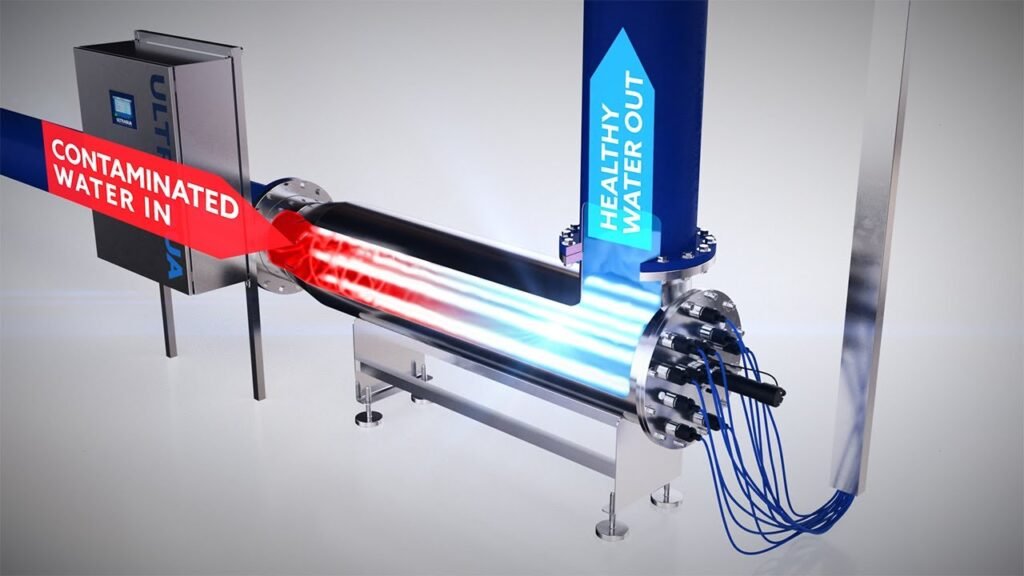
Depending on the test results, water disinfection & ultra violet treatment may be an appropriate option. Ultraviolet, commonly called UV, systems expose flowing water to UV light at a controlled intensity. When properly designed, installed, and maintained, these systems can inactivate susceptible microorganisms as water passes through the treatment chamber.
UV treatment has limitations, though. It doesn’t remove dissolved chemicals, heavy metals, or hardness. Sediment and other particles can interfere with the process, so suitable pretreatment may be necessary. The system also needs the correct flow capacity, routine maintenance, and timely lamp replacement to work as intended.
Homeowners with private wells should continue testing their water even after installing a disinfection system. If contamination is detected, identifying its source is just as important as selecting the treatment method. A qualified water professional or local health authority can help determine the appropriate next steps.
Exploring Alkaline and Ionized Water Options
Some homeowners are interested in water systems that change the water’s pH in addition to filtering it. These products are often marketed toward people who prefer a particular taste or want to explore alternatives to conventional drinking-water filtration. However, it’s useful to distinguish personal preferences from claims supported by scientific evidence.
Alkaline / ionized water systems generally use electrochemical processes to alter water’s pH. Certain models also include filters, but the filtration capabilities vary from product to product. Changing pH alone doesn’t mean a system removes harmful contaminants or makes unsafe water safe to drink.
For most healthy people, properly treated drinking water is sufficient for everyday hydration. Claims that alkaline water prevents disease or provides major health benefits beyond ordinary safe water should be considered carefully, since strong scientific evidence for many such claims remains limited.
If you’re considering one of these systems, examine its specifications before making a purchase. Look for verified information about contaminant reduction, maintenance requirements, operating costs, and replacement components. The right choice should meet your household’s practical needs rather than relying on impressive-sounding promises.
Choosing the Right Treatment for Your Home
Water treatment works best when the equipment matches the problem. A household concerned mainly about chlorine taste may benefit from a carbon filter, while a home with hard water may need a softener. A private well with microbial concerns requires testing and an appropriate treatment plan.
Before deciding, consider these practical steps:
- Test your water: Use a suitable laboratory or qualified testing service to identify relevant water quality concerns.
- Set clear priorities: Decide whether you’re trying to improve taste, reduce mineral buildup, address a confirmed contaminant, or treat water throughout the house.
- Compare system performance: Check independent certifications and confirm that the equipment is designed for the specific issue.
- Calculate long-term expenses: Include installation, filter replacements, electricity, servicing, and other maintenance costs.
- Plan for regular upkeep: Follow the manufacturer’s maintenance schedule to help the system continue performing properly.
Household size and daily water use matter, too. A small under-sink filter may be enough for drinking and cooking water, while a larger property might benefit from a professionally designed whole-house solution. There is no need to install several systems if one appropriately selected option can address the main concern.
Maintaining Water Quality for the Long Term
Even a well-designed treatment system requires attention. Filters eventually need replacement, UV lamps require servicing, and changes in a well’s condition can affect water quality. Skipping maintenance may reduce a system’s effectiveness without producing obvious warning signs.
Keep records of water tests, installation details, and service dates. If the water suddenly develops an unusual smell, taste, or appearance, investigate the change rather than assuming the existing equipment will solve it. Private well owners should follow local testing recommendations, particularly after flooding, repairs, or events that could affect the water supply.
When multiple concerns occur together, professional guidance can help prevent unnecessary spending. For example, a home might need sediment filtration before UV disinfection, alongside a separate solution for hardness. Each component serves a specific purpose, and the overall system should be planned accordingly.
Making a Confident Choice for Better Water
Improving household water quality doesn’t have to mean buying the most expensive equipment or following every new trend. It starts with understanding what’s in your water and choosing a treatment method that addresses the issue reliably.
For Florida homeowners, that could mean reducing unpleasant tastes, investigating potential microbial risks, or selecting a system that fits their drinking-water preferences. Testing, careful comparison, and regular maintenance all contribute to a better result.
When you understand your water and know what different systems can realistically accomplish, making a decision becomes less overwhelming. You’ll be able to invest more thoughtfully, avoid unnecessary equipment, and enjoy water that better suits your household’s everyday needs.