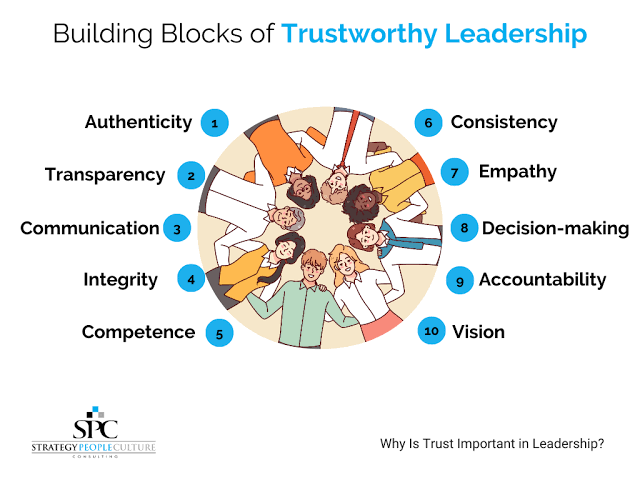
Stepping into a leadership role for the first time is genuinely uncomfortable, even when you’re excited about it. The single biggest challenge isn’t strategy or delegation — it’s figuring out how to build trust leadership with people who barely know you yet.
Trust Isn’t Given With the Title
A promotion gives you authority; it doesn’t automatically give you trust. That has to be earned through consistent, small actions over the following weeks and months.
In short: genuine build trust leadership habits start with consistency and follow-through on small commitments, long before any big decisions or dramatic gestures ever come into play.
Listen Before You Change Anything
I’ve noticed new leaders who rush to make visible changes early — reorganizing workflows, changing processes — often do more damage to trust than good. Spend the first few weeks genuinely listening before acting.
Follow Through on Small Promises
- If you say you’ll get back to someone by Friday, do it
- If you promise to raise an issue with senior leadership, actually raise it
- If you commit to reviewing someone’s work, give real feedback, not a vague “looks good”
Small broken promises accumulate faster than big ones, because they happen so often nobody forgets them.
Be Honest About What You Don’t Know Yet
New leaders sometimes feel pressure to appear as though they have all the answers immediately. Admitting “I don’t know yet, but I’ll find out” tends to build far more trust than a confident-sounding guess that turns out wrong.
Give Credit Publicly, Address Problems Privately
This simple pattern, applied consistently, does more for build trust leadership than almost any single grand gesture. Public criticism, even when deserved, damages trust quickly and is hard to repair.
A Real Example Worth Learning From
Picture a newly promoted team lead at a mid-sized firm in Jaipur who, in her first month, made a point of having short one-on-one conversations with every team member individually, asking what was working and what wasn’t — before making a single operational change. By the time she did introduce changes, the team already trusted her intentions.
[link to related guide about running effective one-on-one meetings here]
Handling Mistakes as a New Leader
Everyone makes mistakes early in a leadership role. What builds or breaks trust is how openly you own them — deflecting blame damages trust far more than the original mistake ever does.
[Suggested image alt text: “new team leader having a one-on-one conversation with an employee”]
FAQ
How long does it typically take to build trust as a new leader? It varies, but most new leaders see meaningful trust develop over the first 2-3 months of consistent behavior.
What’s the fastest way to lose trust as a new leader? Breaking small commitments repeatedly, even minor ones, damages trust faster than most leaders expect.
Should a new leader make changes immediately? Generally no — listening first, then making informed changes, builds more trust than rushing into visible early decisions.
Does admitting mistakes hurt a new leader’s credibility? No, it usually strengthens it, as long as it’s paired with a genuine plan to address the issue.
How important is consistency in build trust leadership? Extremely — trust tends to grow from repeated, predictable behavior far more than from occasional impressive gestures.
Conclusion
Build trust leadership isn’t about one dramatic moment that wins people over — it’s built quietly, through consistent follow-through, honest communication, and genuine listening in the early weeks of a new role. Get those small habits right, and the bigger leadership challenges become significantly easier to navigate later.