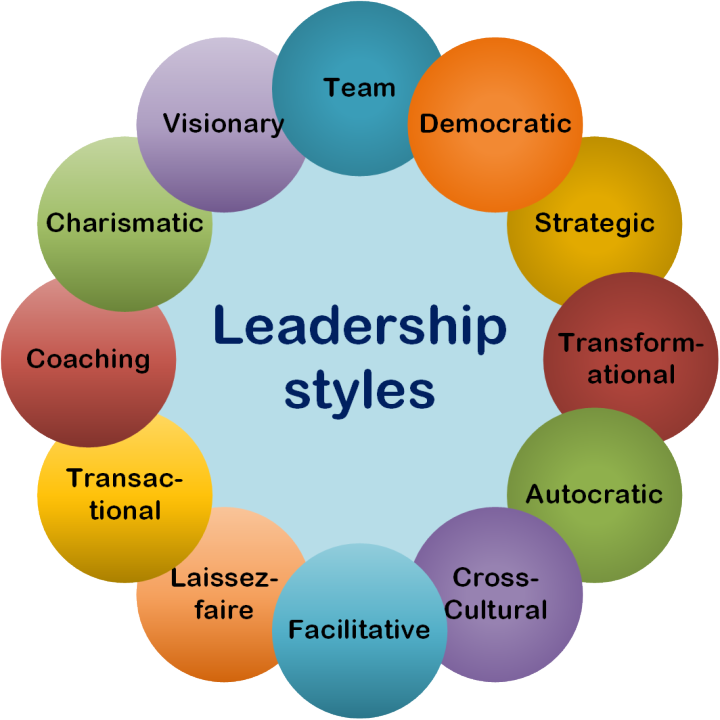
Not every team responds to the same kind of leader, and pretending there’s one universally correct approach is where a lot of management advice goes wrong. Understanding different leadership styles matters more than picking one and forcing it everywhere.
Directive Leadership
This style works best in high-pressure, time-sensitive situations where clear instructions matter more than open debate. Think emergency response teams, or a company navigating a sudden crisis.
Quick answer: among the most effective leadership styles, directive leadership provides fast, clear decisions in urgent situations, but overusing it long-term tends to reduce initiative and creativity within a team.
Participative Leadership
Here, the leader actively involves the team in decisions, gathering input before finalizing a direction. It builds buy-in but takes more time — not ideal when speed matters most.
Coaching Leadership
I’ve noticed this style produces the strongest long-term leadership results, though it requires patience most managers underestimate. Rather than solving problems directly, a coaching leader asks questions that help team members find their own solutions.
Transformational Leadership
- Focuses on inspiring a shared vision rather than day-to-day task management
- Works especially well during periods of significant company change
- Requires genuine communication skill, not just charisma
Laissez-Faire Leadership
This style gives teams significant autonomy with minimal direct oversight. It works brilliantly with highly experienced, self-motivated teams, and falls apart quickly with less experienced ones who actually need more guidance.
Matching Style to Team Maturity
A newly formed team generally needs more directive guidance early on, gradually shifting toward participative or coaching approaches as trust and competence build. Using the wrong style for a team’s actual maturity level is a common, avoidable mistake.
A Real Example Worth Considering
Picture a mid-sized logistics company in Jaipur where a newly promoted manager tried applying a fully hands-off, laissez-faire approach immediately with a young, inexperienced team. Performance dropped within weeks — not because the team lacked potential, but because they genuinely needed more structured guidance than that style provided at that stage.
[link to related guide about building trust with a new team here]
Blending Leadership Styles Situationally
The strongest leaders don’t stick rigidly to one style. They read the situation — urgency, team experience, stakes involved — and adjust accordingly, which is arguably a skill in itself.
[Suggested image alt text: “manager leading a team meeting using a collaborative leadership style”]
FAQ
Which leadership style is best for a new manager? A blend of directive and coaching usually works well early on, providing structure while still developing team capability.
Can leadership styles change over time for the same leader? Yes, effective leaders often adapt their style as their team’s experience and the situation itself evolve.
Is transformational leadership only useful during big changes? It’s especially powerful during change, but it also helps maintain long-term motivation even in stable periods.
Does laissez-faire leadership ever work well? Yes, particularly with highly skilled, self-directed teams that need autonomy more than oversight.
How do I know which leadership style fits my team? Assess your team’s experience level and the urgency of your current situation, then match your approach accordingly.
Conclusion
There’s no single “correct” answer among competing leadership styles — the best leaders adapt based on team maturity, urgency, and context rather than defaulting to one comfortable approach. If your team’s performance feels stuck, it may be worth honestly assessing whether your current style still matches what your team actually needs right now.