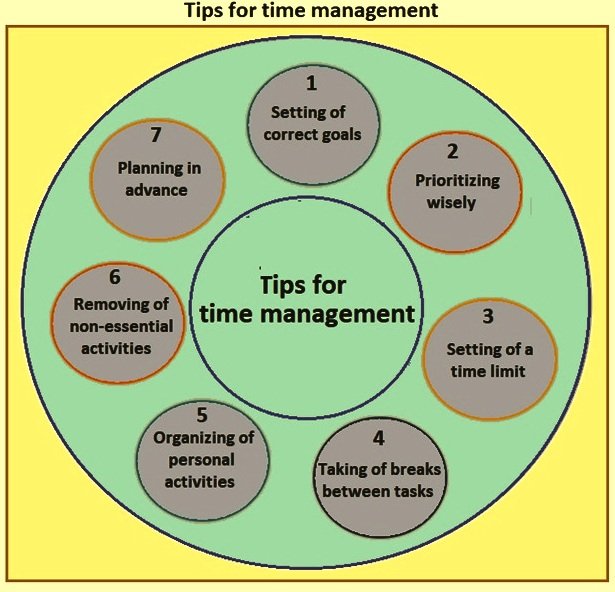
Every manager says they need better time management strategies, but most advice out there is written for individual contributors, not for someone whose calendar is filled by other people’s requests all day long.
Block Time Before Others Fill It
If you don’t protect time on your calendar deliberately, someone else’s meeting will claim it first. Block focus time early in the week, before requests start pouring in.
Quick answer: the most effective time management strategies for managers start with proactively blocking calendar time for deep work, rather than reacting to whatever meeting requests arrive first.
Batch Similar Tasks Together
- Group all one-on-ones into a single day or half-day where possible
- Handle email in set windows rather than continuously throughout the day
- Save reporting and admin work for a low-energy time slot, like late afternoon
Delegate Based on Growth, Not Just Convenience
I’ve noticed managers often delegate the tasks they personally dislike, rather than tasks that would actually stretch a team member’s growth. Better delegation considers both what frees your time and what develops your people.
Protect Your Calendar From “Quick Chats”
Quick five-minute chats add up fast and fragment your day badly. A simple fix: set specific office hours for casual questions, so your remaining time stays genuinely uninterrupted.
Say No to Meetings Without an Agenda
If a meeting invite has no clear agenda or outcome listed, it’s fair to ask for one before accepting. This single habit alone can reclaim hours every week for busy managers.
A Real Example
Picture a operations manager at a growing logistics firm in Jaipur who was in back-to-back meetings ten hours a day, with almost no time left for actual planning work. Switching to two dedicated “no-meeting” mornings each week freed up enough space to finally get ahead of recurring fires instead of constantly reacting to them.
[link to related guide about running shorter, more effective meetings here]
Review Your Week Honestly Every Friday
At the end of each week, look honestly at where your hours actually went, not where you planned for them to go. This regular review is one of the simplest time management strategies, yet most managers skip it entirely.
[Suggested image alt text: “manager organizing daily tasks using a time management planner”]
FAQ
What’s the biggest time management mistake managers make? Accepting every meeting request without questioning whether it’s necessary or has a clear purpose.
How can I protect focus time as a manager? Block it on your calendar in advance and communicate clearly that it’s not available for scheduling.
Should managers delegate tasks they enjoy? Sometimes yes — delegating enjoyable tasks can also develop team members, not just free up your time.
How many meetings a day is too many for a manager? There’s no fixed number, but if meetings consistently crowd out planning and thinking time, it’s worth reassessing.
Is time blocking really effective for managers specifically? Yes, especially because managers face constant external demands on their time, making proactive blocking more necessary than for most roles.
Conclusion
Good time management strategies for managers aren’t about squeezing in more tasks — they’re about protecting the time needed for genuine planning and decision-making amid constant interruptions. Block your calendar deliberately, delegate thoughtfully, and review your week honestly, and you’ll notice real breathing room return to your schedule.