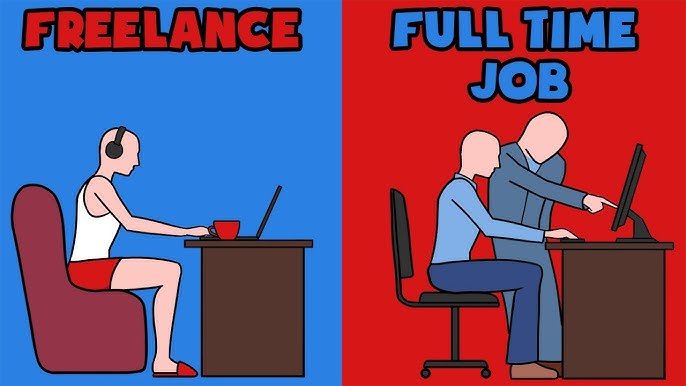
Finding freelance clients who actually pay well is a very different game from just signing up on a marketplace and bidding low against a hundred other freelancers. It requires a different approach entirely.
Stop Competing on Price
Quick answer: the fastest way to attract better freelance clients is to stop competing purely on price and instead position yourself around specific expertise and results, since low-price competition mainly attracts clients who value cost over quality.
Niche Down Instead of Staying Generic
I’ve noticed generalist freelancers struggle to stand out, while freelancers who specialize — say, copywriting specifically for SaaS companies — become the obvious choice for that specific type of client, and can charge accordingly.
Where High-Paying Freelance Clients Actually Look
- LinkedIn, especially with a portfolio-focused profile and genuine engagement
- Referrals from existing clients, which often bring better-paying work than cold outreach
- Niche industry communities and forums where your target clients already gather
- Direct outreach to specific companies you’d genuinely like to work with
Build a Portfolio That Shows Results, Not Just Work Samples
Clients paying premium rates want to see outcomes — increased conversions, time saved, revenue generated — not just a list of past projects. Frame your portfolio around results wherever possible.
Price Based on Value, Not Just Hours
Freelancers chasing high-paying freelance clients often shift from hourly pricing to value-based pricing, tying their rate to the actual business impact of their work rather than time spent.
A Real Example
Picture a freelance web designer in Jaipur who spent a year competing on generic marketplaces for small, low-paying jobs. After niching into e-commerce store redesigns specifically and reaching out directly to growing online brands, her average project value increased significantly within a few months.
[link to related guide about pricing freelance work with confidence here]
Follow Up Professionally After Proposals
Many freelancers send a proposal once and never follow up, losing potential high-paying freelance clients simply due to inbox overload on the client’s end. A polite follow-up after a week often reopens the conversation.
[Suggested image alt text: “freelancer working on a laptop while communicating with clients online”]
FAQ
Where can I find high-paying freelance clients as a beginner? LinkedIn, niche communities, and referrals tend to produce better-paying leads than generic freelance marketplaces.
Should I niche down even if it means fewer potential clients? Yes, a focused niche usually leads to higher-paying, more consistent work than staying broadly generalist.
How do I price my services for high-paying freelance clients? Consider value-based pricing tied to business outcomes, rather than a flat hourly rate.
Is cold outreach effective for finding freelance clients? Yes, especially when targeted specifically at companies that clearly match your niche and expertise.
How important is a portfolio for attracting better clients? Very — a results-focused portfolio is often the deciding factor for higher-paying freelance clients.
Conclusion
Attracting better freelance clients isn’t about working harder on low-paying marketplaces — it’s about niching down, showing real results, and reaching out directly to the right companies. Shift your positioning toward value and expertise, and higher-paying opportunities tend to follow.