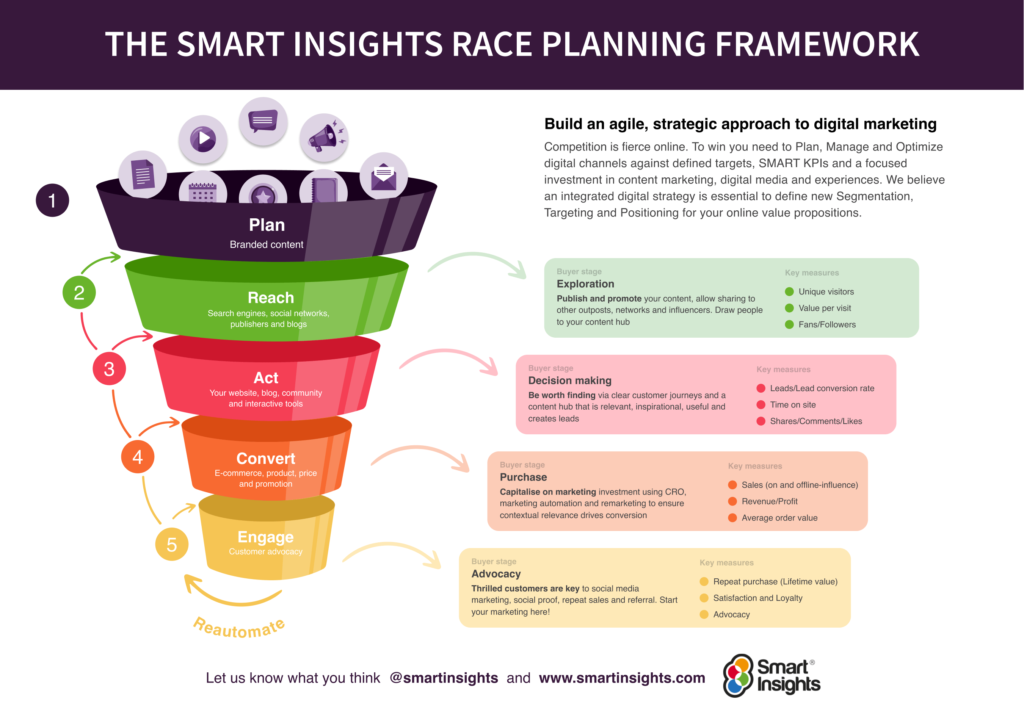
A lot of business owners think a brand marketing plan is just a logo, a color scheme, and maybe a tagline. That’s branding’s surface layer — a real plan goes much deeper than visuals.
Define What Your Brand Actually Stands For
In short: an effective brand marketing plan starts by clearly defining what your business stands for and why it matters to customers, since visual identity alone can’t compensate for an unclear brand message.
Understand Who You’re Actually Talking To
Trying to appeal to everyone usually means resonating with no one strongly. A focused brand marketing plan speaks directly to a specific customer type, even if it means intentionally not appealing to everyone else.
Consistency Across Every Touchpoint
- Your website tone should match your social media tone
- Customer service interactions should reflect the same brand personality as your marketing
- Visual elements — colors, fonts, imagery style — should stay consistent everywhere customers encounter you
Build an Emotional Connection, Not Just Recognition
I’ve noticed the strongest brands aren’t necessarily the most recognizable ones visually — they’re the ones customers feel some genuine connection to, whether that’s trust, humor, or shared values.
Tell a Real Story, Not a Generic One
Generic brand stories about “passion” and “quality” blend together across thousands of businesses. A specific, real story — why you actually started, a genuine turning point — sticks with customers far longer.
A Real Example Worth Considering
Picture a small handmade leather goods brand from Jaipur that built its entire brand marketing plan around the specific craftsmanship tradition of local artisans, rather than generic “premium quality” messaging. That specificity became the brand’s actual differentiator in a crowded market.
[link to related guide about building brand consistency across platforms here]
Measure Brand Perception, Not Just Sales
A brand marketing plan isn’t only judged by immediate sales. Track how customers describe your business in reviews and conversations — that language reveals whether your brand message is actually landing the way you intended.
Revisit Your Brand Plan as You Grow
What worked for your brand at launch may need adjustment as your customer base and market position evolve. Treat your brand marketing plan as something to revisit periodically, not a one-time exercise.
[Suggested image alt text: “brand marketing plan mood board with logo and color palette”]
FAQ
Is a brand marketing plan the same as a logo design? No — a logo is just one visual element; a full brand marketing plan covers messaging, tone, and customer perception too.
How specific should my target audience be in a brand marketing plan? Very specific — a narrowly defined audience usually leads to stronger, more resonant brand messaging.
Can a small business have a strong brand without a big budget? Yes, consistency and authentic storytelling matter more than expensive production for building a strong brand.
How often should a brand marketing plan be updated? Reviewing it annually, or whenever your business or audience shifts significantly, keeps it relevant.
What’s the biggest mistake in brand marketing plans? Trying to appeal to everyone, which usually results in a message that resonates strongly with no one.
Conclusion
A real brand marketing plan goes far beyond visuals — it’s about clearly defining what your business stands for and communicating that consistently across every customer touchpoint. Get specific about who you’re talking to and why you matter to them, and the visual elements become far more effective as a result.