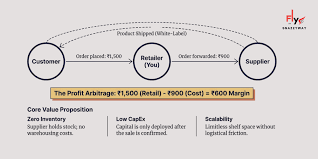
A dropshipping business sounds almost too easy on paper — no inventory, no warehouse, just list products and let a supplier handle fulfillment. In practice, the businesses that actually succeed treat it far more seriously than that.
Choosing the Right Niche
Quick answer: a profitable dropshipping business usually starts with a focused niche where you can build genuine expertise and brand trust, rather than a broad, generic store selling unrelated products.
Vet Your Suppliers Carefully
I’ve noticed new dropshippers often pick suppliers based purely on price, ignoring shipping times and product quality entirely. Slow shipping and poor quality control kill customer trust faster than almost anything else in this model.
Build Real Branding, Not a Generic Store
- Custom product photography instead of generic supplier images
- Clear, specific product descriptions rather than copy-pasted supplier text
- A cohesive visual identity across your store and social media
Understand Your Actual Margins
- Product cost from supplier
- Shipping costs, which can eat margins unexpectedly
- Advertising cost per acquisition, which rises as competition increases
- Payment processing fees, often overlooked in early calculations
Without tracking all four honestly, a dropshipping business can look profitable on paper while actually losing money per sale.
Customer Service Becomes Your Real Differentiator
Since the product itself is often available from multiple stores, genuinely responsive customer service becomes one of the few things that actually sets a dropshipping business apart from competitors selling the same items.
A Real Example
Picture someone in Jaipur who started a dropshipping business focused specifically on home organization products, rather than a general store. By building genuine content around organization tips and consistently sourcing from one reliable supplier, the store built repeat customers faster than competitors selling random unrelated products.
[link to related guide about vetting reliable dropshipping suppliers here]
Plan for Returns and Complaints
Returns are inevitable, and a dropshipping business without a clear returns process quickly damages its reputation. Set clear policies early, and communicate them transparently to customers.
[Suggested image alt text: “entrepreneur managing an online dropshipping business store”]
FAQ
Is a dropshipping business still profitable in 2026? Yes, though increased competition means niche focus and genuine branding matter more than ever for success.
How much money do I need to start a dropshipping business? It can start with a relatively small budget, mainly covering website setup and initial advertising testing.
What’s the biggest risk in dropshipping? Unreliable suppliers causing slow shipping or poor quality, which damages customer trust quickly.
Should I dropship a wide variety of products or focus on one niche? A focused niche generally performs better, allowing for stronger branding and more targeted marketing.
How do I handle customer complaints in a dropshipping business? Respond quickly and transparently, and maintain a clear returns policy since you don’t control the physical fulfillment directly.
Conclusion
A successful dropshipping business requires more than picking trending products — it needs careful supplier vetting, genuine branding, and honest margin tracking. Treat it like a real business from day one, and it can become a genuinely sustainable income source rather than a short-lived experiment.