A sales funnel sounds like a fancy marketing term, but at its core it’s just the path a stranger takes from noticing your business to actually paying for it. Most businesses lose potential customers somewhere along that path without ever realizing exactly where.
Start With Awareness, Not Conversion
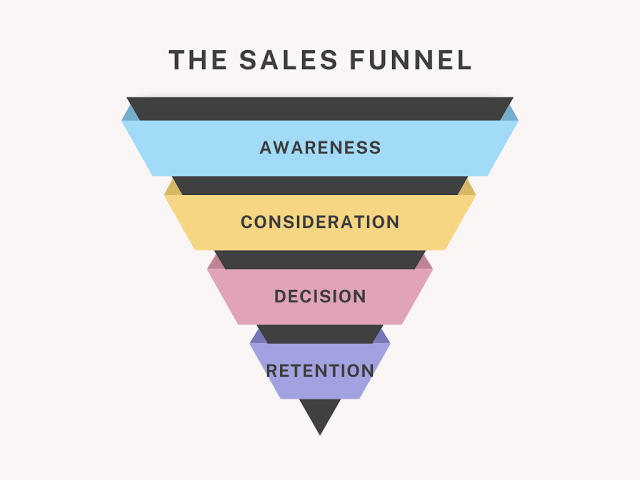
In short: a high-converting sales funnel begins by genuinely capturing attention at the awareness stage, since no amount of clever conversion tactics later can fix a funnel that never attracted the right people in the first place.
Map Out Each Stage Honestly
- Awareness: how strangers first discover your business
- Interest: what makes them stick around and want to learn more
- Consideration: what convinces them you’re a better option than alternatives
- Decision: the final nudge that turns interest into an actual purchase
Fix Leaks Before Adding More Traffic
I’ve noticed businesses often pour more money into ads before fixing an obvious leak in their existing sales funnel. If 90% of visitors drop off at checkout, more traffic just means more people dropping off at the same broken point.
Build Trust at the Consideration Stage
This is where most funnels quietly fail. Testimonials, case studies, and clear answers to common objections need to show up here, before the customer ever reaches a purchase decision.
Make the Decision Stage Frictionless
Every extra form field, unclear pricing detail, or confusing checkout step costs you customers who were otherwise ready to buy. A high-converting sales funnel removes friction ruthlessly at this final stage.
A Real Example
Picture an online skincare brand based in Jaipur that noticed strong traffic from Instagram ads but very few actual sales. After reviewing their funnel honestly, they found unclear return policy information right at checkout was quietly scaring hesitant buyers away — fixing that single detail improved conversions noticeably.
[link to related guide about writing trust-building product pages here]
Don’t Ignore the Post-Purchase Stage
A complete sales funnel doesn’t end at checkout. Following up with new customers, encouraging reviews, and making repeat purchases easy all extend the value of the funnel you’ve already built.
[Suggested image alt text: “diagram illustrating stages of a high-converting sales funnel”]
FAQ
What’s the most commonly ignored stage of a sales funnel? The post-purchase stage — many businesses stop engaging customers right after the sale, missing repeat purchase potential.
How do I find where my sales funnel is leaking customers? Track drop-off rates at each stage using analytics tools, then focus fixes on the stage with the steepest decline.
Does a sales funnel need to be complicated to work? No — simple, clear funnels with fewer friction points often outperform complex, multi-step ones.
Should I add more traffic if my funnel isn’t converting well? Fix conversion issues first; more traffic into a broken funnel just wastes marketing spend.
How often should a sales funnel be reviewed and updated? At least quarterly, or whenever conversion rates shift noticeably, to catch new friction points early.
Conclusion
A genuinely high-converting sales funnel isn’t built by chasing more traffic — it’s built by honestly mapping each stage and fixing the points where potential customers quietly drop off. Review your funnel regularly, remove friction wherever you find it, and don’t forget the post-purchase relationship that keeps customers coming back.