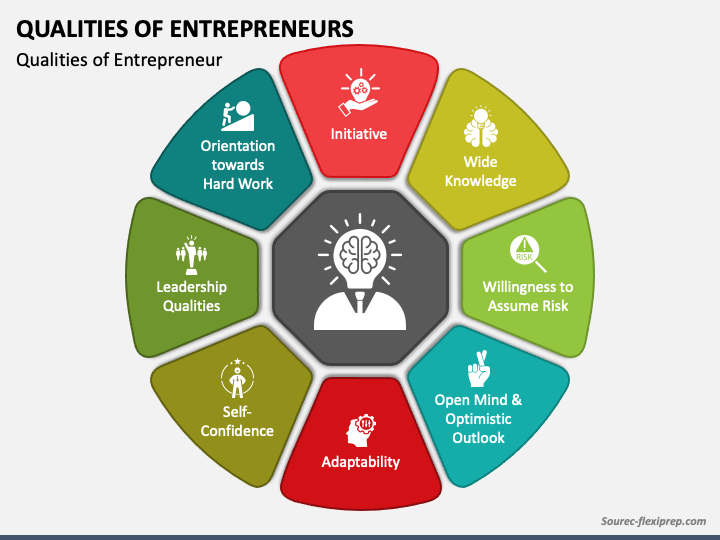
Most lists of successful entrepreneur traits read like a motivational poster — “passion,” “vision,” “grit.” Fine words, but they don’t tell you much about what actually happens on a hard Tuesday when nothing’s working.
Comfort With Uncertainty
Successful entrepreneurs don’t necessarily like uncertainty, but they’ve made peace with operating inside it. Decisions get made with incomplete information constantly, and waiting for full clarity usually means waiting too long.
Discipline Over Motivation
Quick answer: the most important of all successful entrepreneur traits isn’t raw motivation — it’s discipline, because motivation fades within weeks while discipline is what keeps the business running through the boring, unglamorous stretches.
Motivation got you to start. Discipline is what gets the invoices sent on a Friday evening when you’d rather not.
Genuine Curiosity About Customers
I’ve noticed the founders who last longest are the ones who stay genuinely curious about their customers years into the business, not just during the early “research phase.” That curiosity shows up as better products over time.
Willingness to Be Wrong Publicly
- Admitting a pricing model isn’t working, even after announcing it confidently
- Reversing a hiring decision quickly instead of defending it out of pride
- Changing a product direction when customer data contradicts the founder’s own instinct
Entrepreneurs who can’t do this tend to dig deeper holes for much longer than necessary.
Financial Literacy, Even If You’re Not “The Numbers Person”
You don’t need to be an accountant, but every entrepreneur needs to understand their own cash flow well enough to make decisions without waiting on someone else to explain it.
Resilience That’s Practical, Not Just Emotional
Resilience gets romanticized a lot. In practice, it looks less like grit and more like having a plan B ready before you need it — a backup supplier, a second sales channel, some cash buffer.
Picture a small apparel brand founder in Jaipur who lost her main wholesale buyer overnight. What saved the business wasn’t stubbornness — it was that she’d already been quietly testing a direct-to-customer Instagram channel for six months, just in case.
[link to related guide about building resilience in a small business here]
Clear Communication
Among all successful entrepreneur traits, this one’s underrated. Whether it’s explaining the vision to a new hire or negotiating with a supplier, the ability to communicate simply and directly saves enormous time and avoids costly misunderstandings.
[Suggested image alt text: “entrepreneur working late reviewing business decisions at a desk”]
FAQ
Are successful entrepreneur traits something you’re born with, or can they be learned? Most of them — discipline, financial literacy, communication — are learnable skills, not fixed personality traits.
Is risk-taking really necessary to be a successful entrepreneur? Calculated risk-taking matters more than reckless risk-taking; the best entrepreneurs manage risk rather than chase it blindly.
Do successful entrepreneurs need to be extroverted? Not at all — plenty of highly successful founders are quiet, introverted, and prefer one-on-one conversations.
How important is passion compared to discipline? Passion helps you start; discipline is what actually gets the work done consistently.
Can these traits be developed after starting a business, or do they need to come first? They can absolutely be developed along the way — most founders build these traits through real experience, not before starting.
Conclusion
The real successful entrepreneur traits are less glamorous than most articles suggest — discipline, financial literacy, and the willingness to admit mistakes matter more day-to-day than raw ambition. If you’re building a business, focus less on whether you “have what it takes” and more on building these habits deliberately over time.