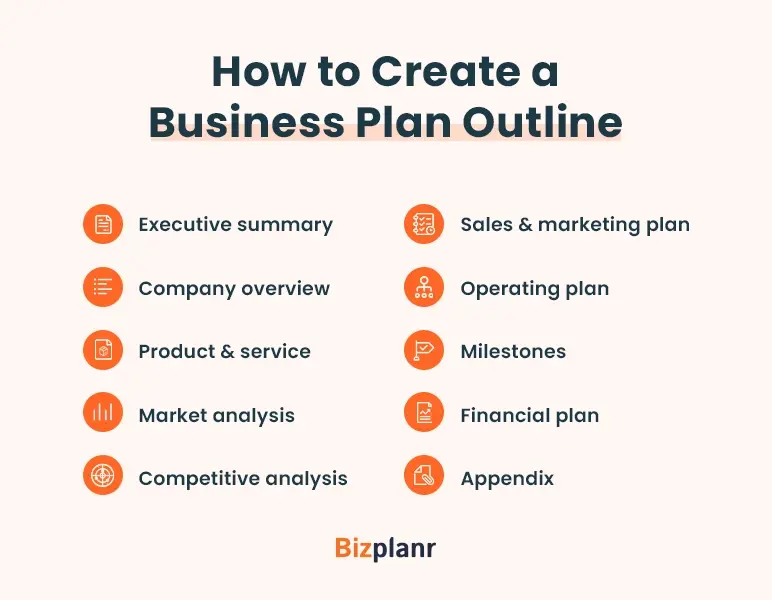
Most business plan templates you find online are written for banks and investors, not for the person actually running the company. That’s the problem. You fill in the blanks, print it, and then it sits in a drawer while you run your business on gut feeling anyway.
I’ve reviewed plans for friends starting everything from a tiffin service to a small logistics company, and the ones that worked weren’t the prettiest. They were the ones the owner actually reread every month.
Start With the Problem, Not the Product
Before you write a single financial projection, write down the exact problem you’re solving. Not “there’s a gap in the market” — that’s vague. Be specific: who is frustrated, and why?
A good business plan begins here because everything else — pricing, marketing, hiring — depends on this one sentence being right.
In short: a business plan should start with a clearly defined customer problem, not a product idea, because the problem is what determines whether people will actually pay for your solution.
Define Your Target Customer in Real Terms
Skip the generic “18-45, urban, tech-savvy” description. Picture one actual person. Give them a name if it helps.
- What do they currently do instead of buying from you?
- What would make them switch?
- How much are they already spending on the alternative?
Map Out Your Revenue Model Early
Your business plan needs to answer one blunt question: how does money actually come in? Subscription, one-time sale, commission, ads — pick one primary model and build around it before you add side streams.
Keep the Financial Section Honest
I’ll say this plainly — most first-time founders inflate their year-one numbers. Don’t. Investors and lenders have seen a thousand hockey-stick graphs; they trust conservative numbers more.
Include:
- Startup costs (be specific, down to the rupee where you can)
- Monthly burn rate for the first 12 months
- Break-even point, calculated honestly, not optimistically
Write a Simple Operations Plan
This is the part people skip, and it’s the part that actually helps day-to-day. Who does what? What happens when your one supplier is late? A business plan without an operations section is really just a pitch, not a plan.
Build In a Marketing Section With Real Channels
Don’t write “we will use social media.” Name the channels: Instagram reels, local WhatsApp groups, a referral program with a fixed reward. Vague marketing plans are the first thing that gets ignored three months in.
Revisit and Revise Every Quarter
[link to related guide about setting quarterly business goals here]
Picture a small business owner in Jaipur running a handmade furniture shop — her original plan assumed festive-season sales would carry the whole year. By month four, she realized weekday walk-ins were nearly zero, so she added an online catalog. That one revision, made because she actually reread her plan, saved the business.
Common Mistakes to Avoid
- Copying a template word-for-word without adjusting for your actual market
- Writing 40 pages nobody, including you, will read again
- Ignoring competitors because “we’re different” — you’re rarely as different as you think
[Suggested image alt text: “entrepreneur reviewing a business plan document at a desk”]
FAQ
Do I need a business plan if I’m not seeking investors? Yes, honestly. A business plan works as much as an internal roadmap as it does a pitch document — it forces clarity even if no one else ever reads it.
How long should a business plan be? For most small businesses, 8-12 focused pages beat 40 generic ones. Length isn’t the goal; usefulness is.
Can a business plan change after I start operating? It should. Treat it as a living document, not a one-time exercise.
What’s the biggest mistake in most business plans? Overly optimistic revenue projections with no real customer research behind them.
Do I need financial software to write the financial section? Not at first — a basic spreadsheet is enough to map costs and break-even points.
Conclusion
A working business plan isn’t the polished document you show investors once and forget. It’s the thing you actually open when you’re deciding whether to hire, cut a product line, or push into a new city. Write it plainly, keep it honest about numbers, and revisit it every few months — that’s what separates a plan that works from one that just looks good on paper.