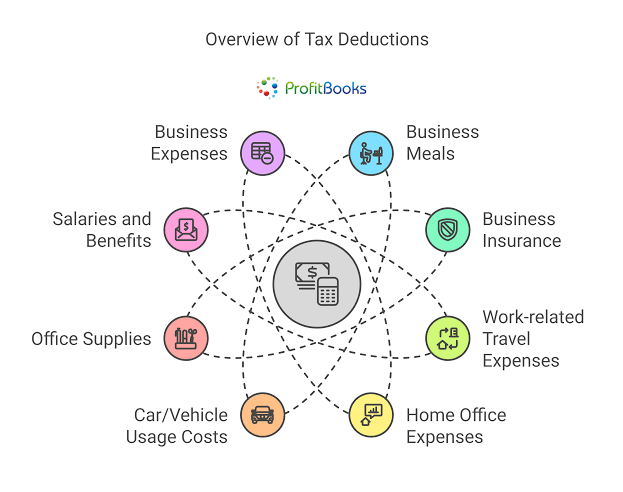
Plenty of small business owners overpay on taxes simply because they don’t know which small business tax deductions actually apply to them, or they don’t keep the records needed to claim them properly.
Home Office Expenses
Quick answer: if you run your business, even partially, from a dedicated space at home, a portion of related expenses like rent, utilities, and internet may qualify as legitimate small business tax deductions, provided the space is used consistently for business.
Business-Related Travel and Transportation
- Fuel and vehicle maintenance for business-related travel
- Public transport costs tied directly to client meetings or business errands
- Parking and toll expenses incurred specifically for business purposes
Keeping a simple log of business-related trips makes claiming these deductions significantly easier at tax time.
Professional Services and Software Subscriptions
I’ve noticed small business owners often forget that accounting software, design tools, and even professional consultation fees usually qualify as legitimate deductions, since they’re directly tied to running the business.
Marketing and Advertising Costs
Money spent on social media ads, website hosting, business cards, or promotional materials generally counts as a deductible business expense, as long as it’s genuinely used for business promotion.
Employee and Contractor Payments
Salaries, wages, and payments to freelance contractors are typically deductible, provided proper documentation exists showing the payment was for legitimate business work.
A Real Example Worth Considering
Picture a small graphic design business in Jaipur that hadn’t been tracking software subscription costs separately for two years, missing out on legitimate deductions simply due to disorganized record-keeping. Once they started keeping a dedicated business expense folder, their accountant found several missed deductions from the prior year alone.
[link to related guide about organizing business expense records here]
Depreciation on Business Equipment
Larger purchases — computers, machinery, furniture — often can’t be deducted entirely in a single year, but depreciated gradually over time. Understanding this distinction prevents confusion during tax filing.
[Suggested image alt text: “small business owner organizing receipts for tax deductions”]
FAQ
Do I need receipts for every small business tax deduction? Yes, proper documentation is essential — undocumented expenses are difficult to justify if questioned later.
Can I deduct part of my home rent if I work from home? Often yes, proportional to the space genuinely used for business, though rules vary by location.
Are freelance contractor payments tax deductible? Generally yes, as long as they’re properly documented as legitimate business expenses.
Should I hire an accountant to find all possible deductions? It’s often worthwhile, especially as your business grows and expenses become more complex to track manually.
What’s the most commonly missed small business tax deduction? Software subscriptions and small recurring business tools are frequently overlooked simply due to poor record-keeping.
Conclusion
Claiming legitimate small business tax deductions isn’t about aggressive tax avoidance — it’s about accurately tracking expenses you’re already genuinely incurring for your business. Keep organized records throughout the year, and you’ll likely find you’re leaving less money on the table than you think.