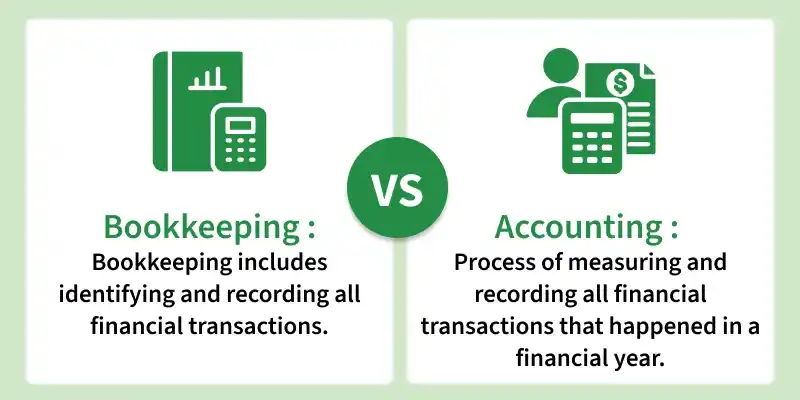
Bookkeeping is the day-to-day recording of financial transactions — sales, purchases, payments, receipts. It’s the raw data entry layer of a business’s finances.
In short: in the bookkeeping vs accounting comparison, bookkeeping is about accurately recording what happened financially, while accounting is about interpreting those records to guide decisions and meet compliance requirements.
What Accounting Builds on Top of That
Accounting takes the raw data bookkeeping produces and turns it into something useful — profit and loss statements, tax filings, financial forecasts, and strategic insights about where the business stands.
Key Differences in Practice
- Bookkeeping is transactional; accounting is analytical
- Bookkeepers record what happened; accountants interpret why it matters
- Bookkeeping is often daily or weekly; accounting review typically happens monthly, quarterly, or annually
- Bookkeeping doesn’t usually require a formal degree; accounting, especially for tax filing, often benefits from professional expertise
Why This Distinction Matters for Business Owners
I’ve noticed business owners often hire the wrong kind of help because they don’t understand this bookkeeping vs accounting distinction. They bring in an expensive accountant for basic data entry work that a bookkeeper could handle at a fraction of the cost.
When You Need Each One
Quick answer: most small businesses need consistent bookkeeping from day one, but only need dedicated accounting support once tax complexity, investor reporting, or strategic financial planning becomes relevant.
A Real Example
Picture a small design studio in Jaipur that hired a part-time bookkeeper early on just to track invoices and expenses weekly. Only once the studio grew past a certain revenue point did they bring in an accountant for tax planning and financial strategy — a sequence that saved them significant unnecessary cost in the early years.
[link to related guide about hiring your first bookkeeper here]
Can One Person Do Both?
For very small businesses, yes — many owners or a single hire manage both functions early on. As complexity grows, though, separating the two roles usually produces cleaner, more reliable financial records.
Software Has Blurred the Line Somewhat
Modern accounting software has made basic bookkeeping more automated, which sometimes narrows the practical gap between the two roles for very small operations, though the underlying distinction still holds.
[Suggested image alt text: “bookkeeper and accountant reviewing financial records together”]
FAQ
Is a bookkeeper cheaper than an accountant? Generally yes, since bookkeeping is more transactional and requires less specialized expertise than accounting analysis.
Can I switch from a bookkeeper to an accountant later as my business grows? Absolutely — many businesses start with basic bookkeeping and add accounting support as complexity increases.
Do I need both a bookkeeper and an accountant? Not always at first, but as your business grows, having both usually improves financial accuracy and planning.
Which one handles tax filing? Accountants typically handle tax filing and strategy, though they rely heavily on accurate bookkeeping records to do so.
Is bookkeeping software enough for a small business? Often yes, especially in the early stages, though periodic review by an accountant is still valuable.
Conclusion
Understanding bookkeeping vs accounting helps you hire the right help at the right time, instead of overpaying for expertise you don’t yet need, or underinvesting in guidance you actually do. Get your bookkeeping consistent first — everything else in your business’s financial picture depends on that foundation being accurate.