You don’t need a commerce degree to run a business, but ignoring accounting principles entirely usually catches up with you — often around tax season, or worse, when a big decision needs numbers you don’t actually have.
Revenue Isn’t the Same as Profit
This sounds obvious written down, but plenty of business owners genuinely confuse the two in practice. Revenue is money coming in; profit is what’s left after every single expense is paid.
Quick answer: the most fundamental of all accounting principles for a business owner is understanding that revenue measures sales, while profit measures what actually remains after costs — confusing the two leads to overspending based on a false sense of success.
The Matching Principle
Expenses should be recorded in the same period as the revenue they helped generate. It sounds technical, but practically it just means: don’t judge a month’s performance by cash movement alone; match costs to the income they actually produced.
Understanding Cash Flow vs. Profit on Paper
- A business can be profitable on paper and still run out of cash
- Late-paying customers can starve even a genuinely profitable business
- Cash flow needs its own tracking, separate from your profit and loss statement
Consistency in Recording
Whatever method you choose for tracking expenses or revenue, apply it consistently. Switching methods mid-year, even innocently, makes your own numbers harder to trust and compare over time.
Separate Personal and Business Finances
I’ve noticed this single habit prevents more accounting headaches than almost anything else on this list. Mixing personal and business expenses makes basic accounting principles nearly impossible to apply cleanly, and tax filing becomes a nightmare.
A Real Example
Picture a small retail shop owner in Jaipur who tracked sales carefully but never separated her personal UPI transactions from business ones. By year-end, she genuinely couldn’t tell how much profit the shop had made without weeks of manual sorting through statements.
[link to related guide about setting up simple bookkeeping for small businesses here]
The Principle of Conservatism
When in doubt, record expenses sooner and revenue later, not the other way around. This conservative approach in accounting principles protects business owners from overestimating their financial position.
Keep Records That Would Survive an Audit
Even if you’re not currently being audited, keeping receipts and clear records as if you might be is simply good discipline, and it saves enormous stress if that day ever comes.
[Suggested image alt text: “business owner reviewing accounting records and receipts”]
FAQ
Do small business owners really need to understand accounting principles? Yes — even basic understanding prevents costly mistakes and helps with far better day-to-day decision-making.
What’s the difference between cash and accrual accounting? Cash accounting records transactions when money moves; accrual records them when they’re earned or owed, regardless of payment timing.
How often should I review my business’s financial statements? Monthly, at minimum, so problems get caught early rather than discovered months later.
Can I manage basic accounting without hiring an accountant? For small businesses, yes, with simple software or spreadsheets — though a professional becomes valuable as complexity grows.
What’s the biggest accounting mistake new business owners make? Mixing personal and business finances, which makes tracking real profitability nearly impossible.
Conclusion
Understanding basic accounting principles isn’t about becoming a financial expert overnight — it’s about making decisions based on real numbers instead of guesswork. Separate your finances, track cash flow honestly, and review your numbers regularly, and you’ll avoid the most common financial mistakes that quietly sink otherwise good businesses.
ARTICLE 12
Title: Difference Between Bookkeeping and Accounting Explained
Meta Description: Confused about bookkeeping vs accounting? Here’s a clear, simple breakdown of what each one actually does for your business in 2026.
URL Slug: /bookkeeping-vs-accounting
Difference Between Bookkeeping and Accounting Explained
People use “bookkeeping” and “accounting” interchangeably all the time, and honestly, most business owners never bother learning the difference until it actually matters — usually during tax season or an investor conversation.
What Bookkeeping Actually Involves
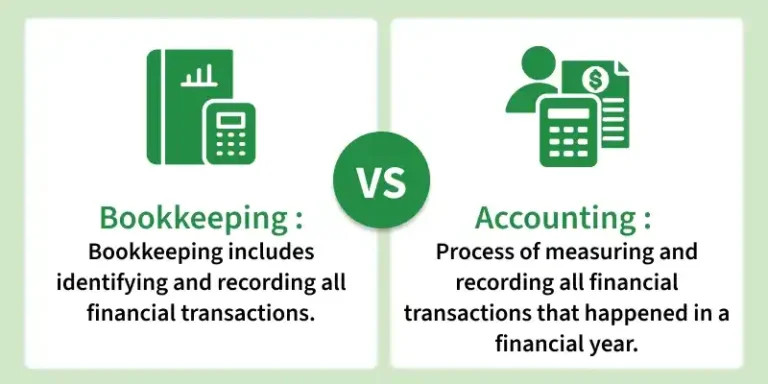
Bookkeeping is the day-to-day recording of financial transactions — sales, purchases, payments, receipts. It’s the raw data entry layer of a business’s finances.
In short: in the bookkeeping vs accounting comparison, bookkeeping is about accurately recording what happened financially, while accounting is about interpreting those records to guide decisions and meet compliance requirements.
What Accounting Builds on Top of That
Accounting takes the raw data bookkeeping produces and turns it into something useful — profit and loss statements, tax filings, financial forecasts, and strategic insights about where the business stands.
Key Differences in Practice
- Bookkeeping is transactional; accounting is analytical
- Bookkeepers record what happened; accountants interpret why it matters
- Bookkeeping is often daily or weekly; accounting review typically happens monthly, quarterly, or annually
- Bookkeeping doesn’t usually require a formal degree; accounting, especially for tax filing, often benefits from professional expertise
Why This Distinction Matters for Business Owners
I’ve noticed business owners often hire the wrong kind of help because they don’t understand this bookkeeping vs accounting distinction. They bring in an expensive accountant for basic data entry work that a bookkeeper could handle at a fraction of the cost.
When You Need Each One
Quick answer: most small businesses need consistent bookkeeping from day one, but only need dedicated accounting support once tax complexity, investor reporting, or strategic financial planning becomes relevant.
A Real Example
Picture a small design studio in Jaipur that hired a part-time bookkeeper early on just to track invoices and expenses weekly. Only once the studio grew past a certain revenue point did they bring in an accountant for tax planning and financial strategy — a sequence that saved them significant unnecessary cost in the early years.
[link to related guide about hiring your first bookkeeper here]
Can One Person Do Both?
For very small businesses, yes — many owners or a single hire manage both functions early on. As complexity grows, though, separating the two roles usually produces cleaner, more reliable financial records.
Software Has Blurred the Line Somewhat
Modern accounting software has made basic bookkeeping more automated, which sometimes narrows the practical gap between the two roles for very small operations, though the underlying distinction still holds.
[Suggested image alt text: “bookkeeper and accountant reviewing financial records together”]
FAQ
Is a bookkeeper cheaper than an accountant? Generally yes, since bookkeeping is more transactional and requires less specialized expertise than accounting analysis.
Can I switch from a bookkeeper to an accountant later as my business grows? Absolutely — many businesses start with basic bookkeeping and add accounting support as complexity increases.
Do I need both a bookkeeper and an accountant? Not always at first, but as your business grows, having both usually improves financial accuracy and planning.
Which one handles tax filing? Accountants typically handle tax filing and strategy, though they rely heavily on accurate bookkeeping records to do so.
Is bookkeeping software enough for a small business? Often yes, especially in the early stages, though periodic review by an accountant is still valuable.
Conclusion
Understanding bookkeeping vs accounting helps you hire the right help at the right time, instead of overpaying for expertise you don’t yet need, or underinvesting in guidance you actually do. Get your bookkeeping consistent first — everything else in your business’s financial picture depends on that foundation being accurate.