Water is one of those things most of us rarely think about until something seems off. Maybe the kitchen faucet leaves white marks on the sink, the shower glass never looks completely clean, or a glass of drinking water has a taste you can’t quite explain. These everyday annoyances can be signs that your household water deserves a closer look.
Across northern Indiana, water quality can vary depending on the source, local conditions, and plumbing inside the home. Some households receive treated municipal water, while others rely on private wells. Each situation brings its own considerations, which is why choosing a treatment system should begin with understanding the water itself rather than buying the first product that promises an easy fix.
Getting to Know Your Household Water
Water travels through soil, rock, pipes, and treatment facilities before reaching the kitchen tap. Along the way, its characteristics can be influenced by naturally occurring minerals, the condition of the plumbing, and the source supplying the property.
Hard water is a common household concern. It contains higher levels of calcium and magnesium, which can leave chalky deposits on faucets, showerheads, and dishes. Soap may not lather as easily, and laundry can sometimes feel less soft than expected. Although hardness is generally more of a household maintenance issue than a health concern, it can become frustrating when the signs appear everywhere.
Other water-quality issues are less obvious. Iron may create reddish-brown stains, while manganese can contribute to dark marks. Organic matter may affect color, and certain contaminants can be present without producing any noticeable smell or taste.
That’s why appearance alone isn’t a reliable measure of water quality. Clear water can still contain unwanted substances, and discolored water doesn’t automatically mean a serious health problem. Testing provides a much clearer picture of what’s happening.
Local Conditions Can Make a Difference
For residents in Mishawaka, understanding whether their home uses a municipal supply or a private well is a sensible first step. Public water systems generally monitor and treat their supplies, and consumers can review local water quality reports for background information. However, household plumbing can sometimes affect water after it enters a property.
Private well owners have a different responsibility. They need to arrange appropriate testing because groundwater conditions can change over time. Heavy rainfall, nearby land use, damaged well components, or changes in drainage may influence water quality. A well that has provided water for years without trouble still needs periodic attention.
If you notice a sudden change in taste, odor, or appearance, don’t immediately assume that a new filter will solve it. The cause might be sediment, plumbing corrosion, a change in the water source, or a contamination concern. Finding the cause first helps prevent unnecessary spending and ensures that any treatment addresses the real problem.
For private wells, testing for relevant bacteria and nitrates is particularly important. A certified laboratory or local health department can help determine which tests make sense for your circumstances.
Choosing a Treatment System That Fits
Once you have reliable test results, comparing treatment options becomes much easier. Different technologies serve different purposes, and understanding those differences can save homeowners from purchasing equipment they don’t need.
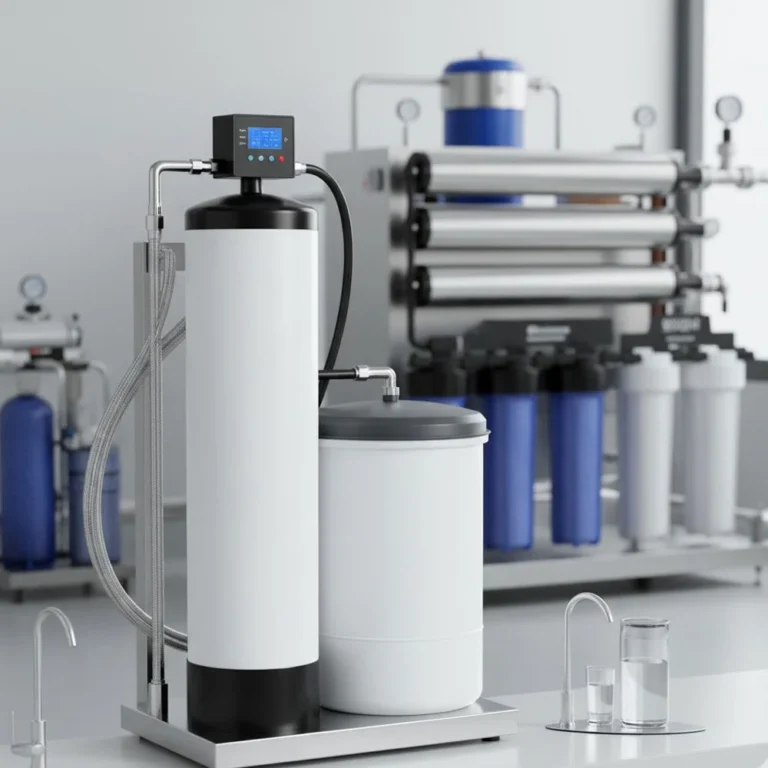
Water softeners are commonly used when hardness is the main concern. Most traditional systems use ion exchange to reduce calcium and magnesium, helping limit mineral scale and improve soap performance. The correct size depends on water hardness, household demand, and the number of people using the system.
Sediment filters capture suspended particles, while activated carbon filters may improve taste and odor and reduce certain substances, depending on their design. Reverse osmosis systems can reduce various dissolved contaminants in drinking water, although their performance depends on the specific model and the substances being targeted.
Ultraviolet treatment is another option when a private well has a confirmed microbial concern. UV light can inactivate susceptible microorganisms, but the system must be correctly sized and maintained. It doesn’t remove dissolved chemicals or hardness minerals, and particles in the water can interfere with disinfection.
There is no single system that solves every water-quality issue. In some homes, a combination of technologies makes sense. In others, a simple, properly selected filter may be enough for the concern at hand. The best choice is based on evidence, not the number of features listed on a product page.
Water Quality Considerations Around Plymouth
In Plymouth, as in other communities throughout the region, homeowners may have different water needs depending on their property, plumbing, and source of supply. A household with hard water may be looking for less scale and easier cleaning, while another may be concerned about an unusual odor or a problem identified through laboratory testing.
Before investing in equipment, consider how water is used throughout the day. A large family may run showers, washing machines, and kitchen taps at the same time. A system that performs well under light demand might struggle when several fixtures are operating together.
Flow rate and treatment capacity therefore deserve attention. So do installation space, drainage requirements, water pressure, and access to replacement parts. These practical details aren’t particularly exciting, but they can determine whether a system works smoothly over the long term.
It’s also worth asking a treatment provider to explain exactly what the recommended equipment will address. Request current product specifications, maintenance requirements, and details of any independent certifications relevant to your water-quality concern. A professional recommendation should connect the proposed equipment to your test results rather than relying on broad claims about cleaner water.
Don’t Overlook the Long-Term Costs
The initial purchase price is only one part of owning a water treatment system. Depending on the technology, there may be replacement cartridges, filter media, salt, electricity, servicing, or other recurring expenses.
Before agreeing to an installation, ask for a written estimate that separates equipment costs from labor and ongoing maintenance. Find out how often components need replacement and whether they are readily available. A cheaper system may not be the most economical choice if its consumables are expensive or difficult to obtain.
Be cautious of claims that one device removes every possible contaminant or eliminates the need for future testing. Treatment systems have specific capabilities and limitations. Understanding those boundaries helps you make a more informed decision and sets realistic expectations.
Keeping Your Water Treatment Equipment in Good Shape
Even a well-chosen system needs attention. Filters should be replaced according to the manufacturer’s recommendations, softeners may need periodic checks, and UV units require routine lamp servicing and cleaning. Skipping maintenance can reduce performance without producing an obvious warning.
Keep water test results, manuals, installation documents, and service records in one place. This simple habit makes it easier to track changes and explain a problem if you need professional assistance later.
Retesting is also worthwhile when appropriate, particularly if a system has been installed to address a health-related contaminant. Taste and appearance may improve, but testing provides stronger evidence that the treatment is doing its intended job.
A Thoughtful Approach to Better Water
For homeowners in Elkhart and across northern Indiana, improving water quality doesn’t have to mean installing the most complicated system available. It starts with a few practical steps: understand your water source, test for the concerns that matter, compare suitable technologies, and plan for maintenance.
The result isn’t simply water that looks or tastes better. It’s greater confidence in the decisions you make for your home and the people who rely on its water every day. When treatment is chosen carefully and maintained properly, it can reduce everyday frustrations and help protect plumbing and appliances from avoidable problems.
Good water treatment isn’t about guessing or buying more than you need. It’s about finding the right solution for your particular home, then keeping it working as it should.