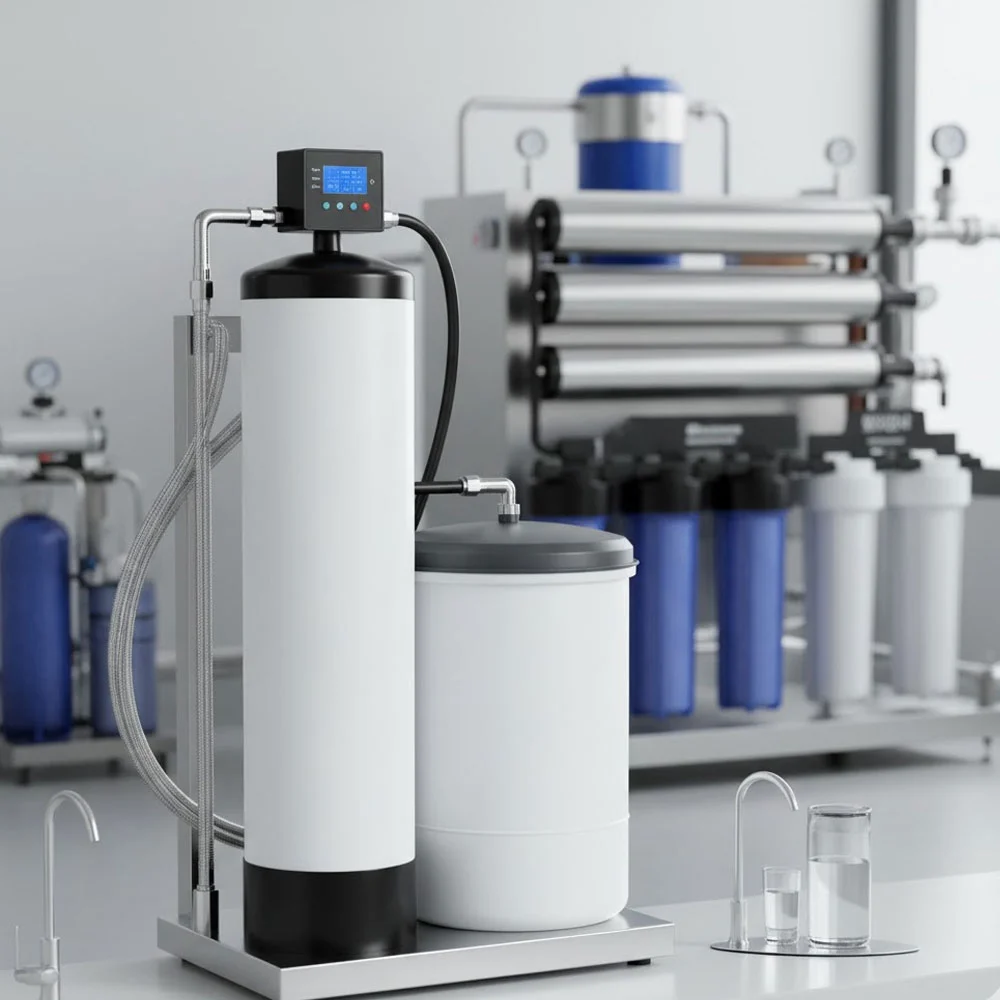
A good water system is easy to take for granted. You turn on the kitchen tap, fill a glass, start the washing machine, or step into the shower, and everything works as expected. It’s only when the water tastes unusual, the pressure drops, or stubborn mineral deposits begin appearing that you start paying attention. By then, a little routine care can make a real difference.
Whether your home has a filtration system, a reverse osmosis setup, or equipment designed to reduce hard water, regular attention helps protect your investment. You don’t need to become a plumbing expert, either. Understanding how your equipment works, recognizing early warning signs, and knowing when to call a professional can save money and prevent unnecessary frustration.
Why Regular Water System Care Matters
Water treatment equipment works quietly in the background, but its components don’t last forever. Filters collect particles, membranes gradually lose performance, and mechanical parts can wear down with regular use. If maintenance is delayed for too long, a system that once worked efficiently may struggle to deliver the same results.
Routine service and maintenance helps keep equipment operating according to its design. It can also reveal minor problems before they turn into expensive repairs. A clogged filter, for example, may reduce water flow. A neglected leak can damage cabinets or flooring, while an incorrectly adjusted system may waste water or fail to address the original concern.
There’s another benefit that’s easy to overlook: peace of mind. When you know your equipment is being checked and maintained properly, you don’t have to guess whether it is still doing its job. That matters particularly when a system is installed to reduce a specific contaminant identified through water testing.
Understanding Your Reverse Osmosis System
Reverse osmosis is a widely used technology for reducing many dissolved substances in drinking water. The process pushes water through a semipermeable membrane, which separates much of the unwanted material from the treated water. Depending on the model and its design, a system may also include sediment filters, activated carbon filters, and a storage tank.
A reverse osmosis unit usually requires more than an occasional wipe around the faucet. Its prefilters protect the membrane from sediment and certain chemicals, while the membrane performs the main separation process. If the prefilters become clogged or overdue for replacement, water production can slow down and the membrane may be exposed to conditions that shorten its useful life.
You might notice a weaker stream from the dedicated drinking-water tap, a storage tank that takes longer to fill, or a taste that seems different from usual. These symptoms don’t automatically mean the membrane has failed. A closed valve, low incoming pressure, a worn component, or a tank issue could be responsible.
Start by checking the manufacturer’s instructions and the system’s maintenance schedule. Filter replacement intervals vary by model, incoming water conditions, and household consumption. Some cartridges may need changing every few months, while membranes often last longer. Use the recommended specifications rather than assuming every system follows the same timetable.
What a Water Softener Actually Does
Hard water is common in many regions, particularly where groundwater contains elevated levels of calcium and magnesium. Although these minerals aren’t generally considered a health concern at typical levels, they can leave chalky deposits on taps, shower screens, and cookware. Soap may also lather less easily, and appliances that heat water can accumulate scale over time.
A water softener is designed to reduce hardness, commonly through an ion-exchange process. In a conventional system, resin beads capture calcium and magnesium ions and exchange them for sodium or, in some systems, potassium ions. Eventually, the resin needs regeneration so it can continue softening water.
Salt-based softeners require the homeowner to monitor the salt level and replenish it as needed. The salt isn’t simply poured into the drinking water; it supports the regeneration process. Still, households should understand that softened water may contain more sodium than the original supply. If sodium intake is a concern, discuss suitable options with a healthcare professional or water specialist. A separate drinking-water tap or another appropriate configuration may be worth considering.
Not every home needs a softener. If mineral buildup is minimal, a simpler solution might be enough. Testing hardness first can help you decide whether the equipment is worthwhile and prevent spending money on a system that offers little practical benefit.
Small Warning Signs You Shouldn’t Ignore
Most water system problems begin with subtle changes. You might notice that water pressure has dropped, the filter housing feels damp, or the system makes a sound you haven’t heard before. Perhaps the water has developed an unfamiliar smell, or a softener seems to be using more salt than usual.
These clues are worth investigating, but don’t jump to conclusions. Low pressure can come from household plumbing rather than the treatment system. An unusual taste may have several causes, including changes in the source water or plumbing. If you notice a sudden change, check the system instructions and contact a qualified professional when necessary.
Leaks deserve immediate attention, especially around filter housings, tubing connections, and storage tanks. If water is escaping, follow the manufacturer’s shutdown instructions and close the appropriate supply valve if you can do so safely. Don’t dismantle a pressurized system unless the instructions specifically explain how to make it safe.
If you rely on treatment equipment to address a known health-related contaminant, consider retesting the water when recommended. A system that appears to be working normally doesn’t necessarily prove that the targeted substance is being reduced effectively.
Getting More Life From Your Equipment
A few simple habits can make maintenance easier. Keep a record of installation dates, cartridge changes, membrane replacements, and professional inspections. Store the manufacturer’s manual somewhere accessible instead of hunting for it when a problem develops.
Use replacement filters and parts that match the system’s specifications. A cartridge that physically fits isn’t always suitable for the same purpose, and an unverified component may not deliver the performance you expect. Where a product carries independent certification, check that the certification applies to the specific contaminant reduction or performance claim you’re relying on.
It’s also sensible to keep the area around your equipment clean and accessible. Avoid stacking boxes against the system or allowing small leaks to go unnoticed behind stored items. If your equipment includes electrical components, keep water away from plugs and wiring, and arrange professional assistance for electrical problems.
For complicated installations, annual professional inspections may be useful, although the right schedule depends on the equipment and the manufacturer’s recommendations. Some systems need more frequent attention; others require only periodic checks and scheduled filter changes.
Is Professional Maintenance Worth the Cost?
It depends on the system and your comfort level with basic upkeep. Many homeowners can replace straightforward cartridges themselves by following the manufacturer’s instructions. More involved work, such as diagnosing membrane performance, repairing leaks inside a pressurized assembly, adjusting regeneration settings, or checking disinfection equipment, may be better left to a trained technician.
When comparing service providers, ask what the visit includes. Will the technician inspect connections, check pressure, review replacement intervals, and explain any recommended repairs? Are replacement parts included in the quoted price? Clear answers make it easier to compare services and avoid paying for unnecessary extras.
Be cautious of anyone who claims that every home needs the same expensive package. Good recommendations should reflect your equipment, water test results, and actual household needs.
A Little Attention Goes a Long Way
Water treatment equipment doesn’t need constant fussing, but it shouldn’t be forgotten either. Regular filter changes, sensible inspections, and a clear understanding of what each component does can help keep your system reliable for years.
Most importantly, let evidence guide your decisions. Test the water when appropriate, follow the manufacturer’s maintenance instructions, and seek professional help when symptoms persist or the problem isn’t clear. A well-maintained system is not about buying the most complicated equipment on the market. It’s about making sure the system you have continues to serve your home safely, efficiently, and as intended.